
The Deposit Letter That Ends the Argument Before It Starts
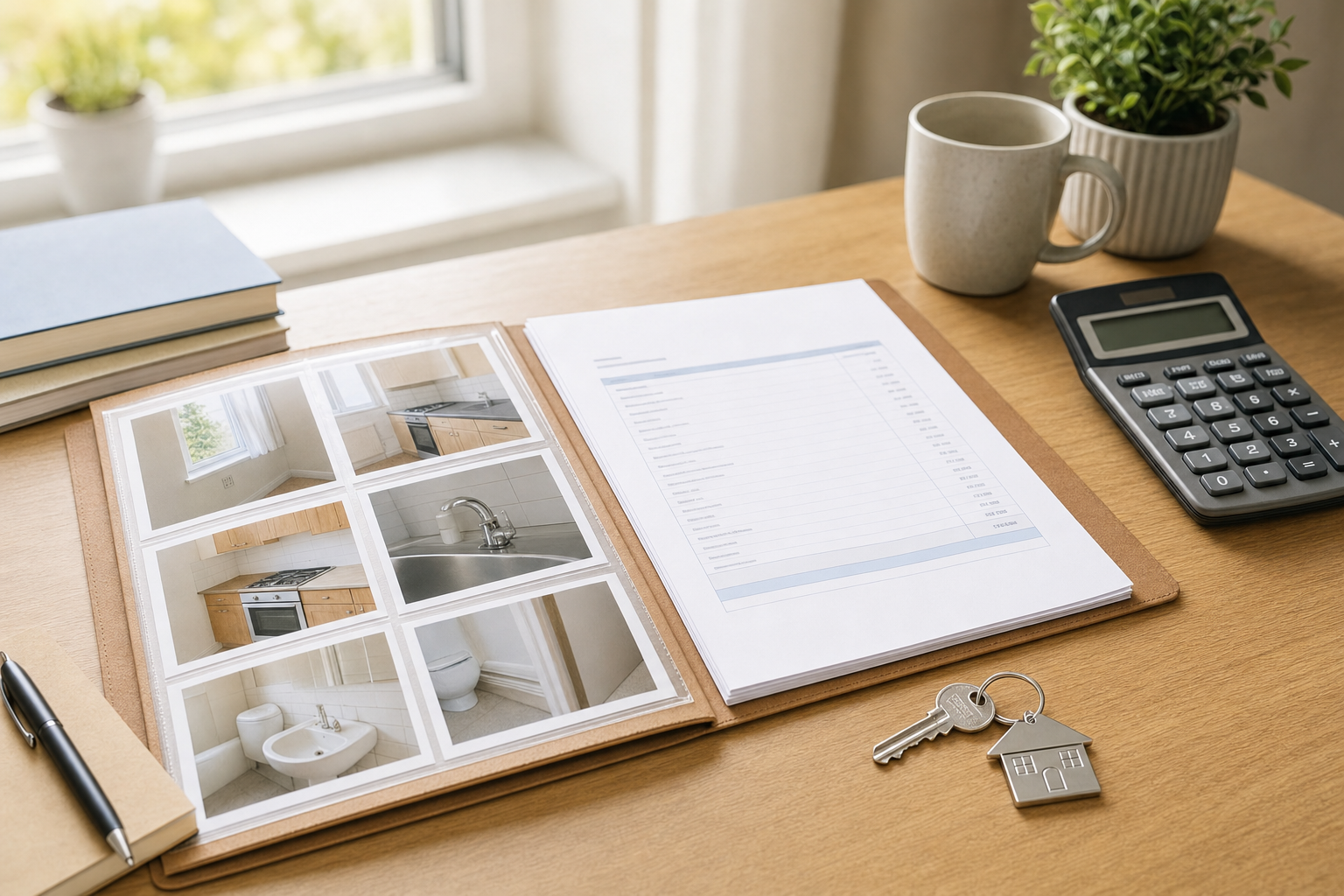
The tenant has gone. The keys are back. You walk the flat and find a scorched worktop, a stained carpet in the back bedroom and an oven that has not been cleaned since the check in. Now comes the part nobody enjoys: telling the tenant what comes out of their deposit.
Most landlords and agents do this badly. They send a two line email with a total, the tenant disputes it, and the scheme adjudicator asks for evidence that sits in three different folders. The money is often lost on paperwork rather than on the facts.
What the prompt does
Draft a Fair Deposit Deduction Letter Tenants Can Verify takes your raw check out notes and builds a statement where every charge has a reason, a piece of evidence and a cost. It also forces you to decide what is fair wear and tear before the tenant raises it.
A worked example
Here is a trimmed input for a two bed flat with a £1,200 deposit:
- Kitchen worktop: burn mark, photo from check out, no mark on the check in inventory. Quote £180 to replace a section.
- Back bedroom carpet: red wine stain, photo, carpet was two years old. Professional clean quote £85.
- Living room paint: scuffs near the sofa, about what you expect after 18 months.
- Oven: heavy grease, check in photo shows it clean. Clean costs £70.
The prompt returns a table that looks like this:
| Item | Evidence | Cost | Reason |
|---|---|---|---|
| Worktop | Check in and check out photos | £180 | Damage beyond normal use |
| Carpet | Photo and clean quote | £85 | Stain, cleaning attempted first |
| Oven | Check in photo, invoice | £70 | Left in worse condition than at start |
Below the table sits a short note saying the paint scuffs were treated as fair wear and tear and not charged. That one sentence does a lot of work. It shows the tenant you were not hunting for deductions, which makes the rest of the statement far easier to accept.
Where the value is
- Time saved. A statement that takes an hour to assemble by hand takes a few minutes once your notes are in.
- Disputes avoided. Tenants argue less with an itemised, evidenced list than with a bare total.
- Better outcomes in adjudication. If it does go to the scheme, you already have each charge tied to a photo and a quote.
- Tone. The covering letter states the outcome in the first two sentences and stays factual.
The final checklist is worth a mention. It asks you to confirm every deduction is supported before you send. Any line you cannot back up should come out.
How to use it
- Gather your check in inventory, check out notes, photos and repair quotes in one place.
- Paste the prompt into your AI tool of choice and fill in each bracketed field, including your local deposit rules if you know them.
- Read the output line by line against your evidence, remove anything unsupported, then send.
One caution: deposit rules differ by country and by scheme, so check the dispute process the letter describes against the rules where you operate. The prompt flags this, but the final check is yours.
Want more tools for landlords and agents? Browse the property management prompts in the Prompt-King library.