
The Empty Tuesday Slot and the Learner Who Went Quiet
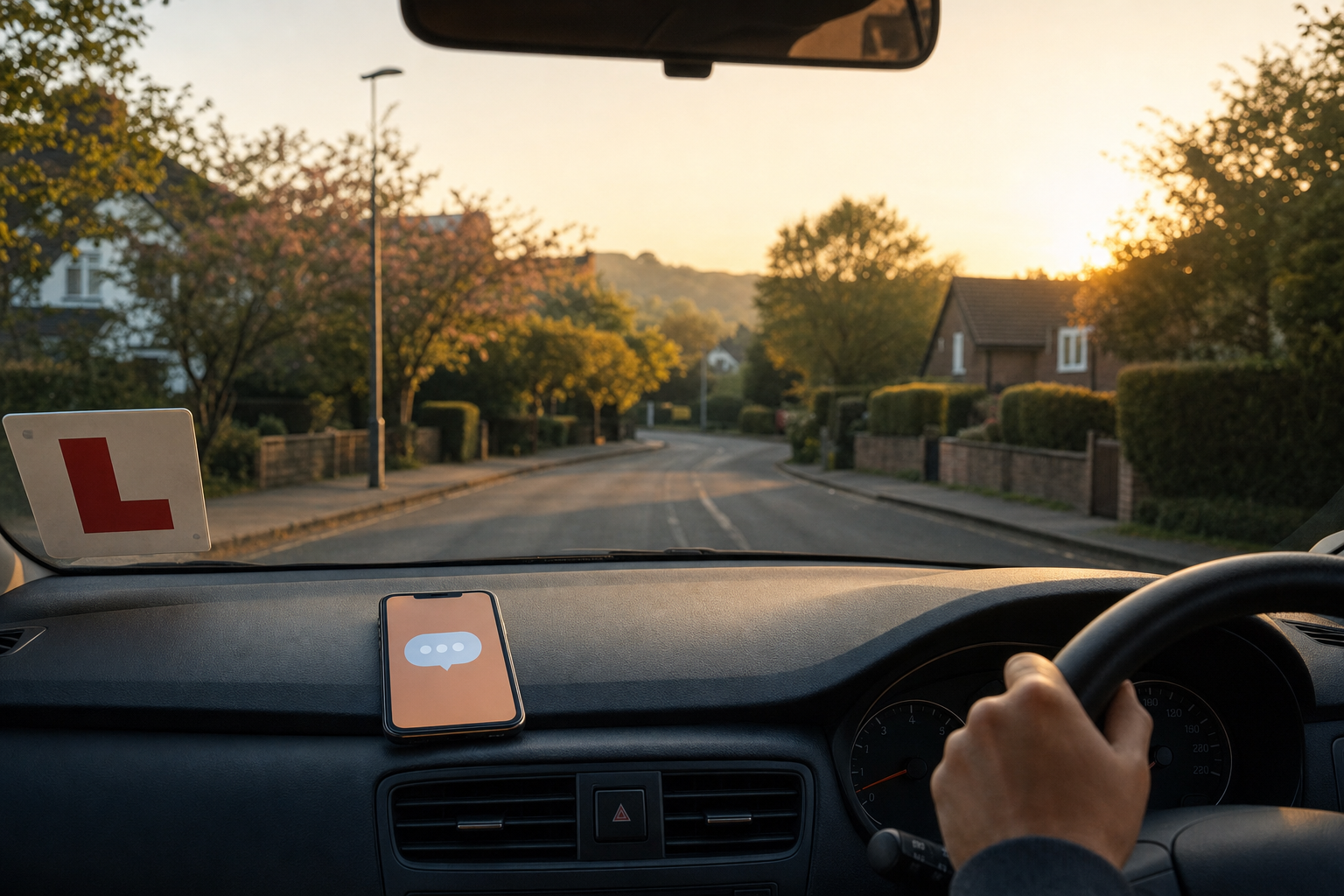
Priya had done eleven lessons, failed her first test on a missed mirror check, and then stopped replying. Her instructor, Dan, had a Tuesday 4pm slot sitting empty and a nagging feeling that chasing her would make things worse.
That feeling is right about one thing. A pushy "are you still interested?" text gets ignored. But silence costs real money: an empty weekly slot is roughly £40 a week gone for good. So the question is how to reach out without sounding desperate.
The prompt that fixes the awkward bit
The Win Back a Learner Who Has Stopped Booking Driving Lessons prompt builds a three-message sequence from a few facts: when the learner last drove, how many lessons they have done, why they probably stopped, and what you can offer. It also sets a stopping rule, so you are never the instructor who sends a fourth text.
A worked example
Dan fills in: learner Priya, last lesson 19 days ago, eleven lessons, failed first test, probable reason cost, offer a discounted block of five. The output looks like this:
- Day 0: "Hi Priya, Dan here. No pressure at all, just wondering how you're getting on since the test. Anything I can do to help?"
- Day 7: "Quick thought: the mirror check on your test is the easiest fault to fix, usually two lessons. Happy to show you a 10 minute drill if you fancy it."
- Day 21: "Last one from me, I promise. I'm holding a block of five at a lower rate until the 30th. If the timing is off, no worries, and good luck either way."
Each one is under 60 words, each gives a reason to reply that is not "please book", and the last one gives an honest deadline without guilt.
Where the value is
| Without the prompt | With the prompt |
|---|---|
| One vague chase, then nothing | Three timed messages with a clear end |
| Tone drifts toward pushy | Tone fixed: warm, short, no guilt |
| No record of the outcome | Rule for when to stop and how to log it |
The real gain is the middle message. Most win-back attempts only ask for the booking. A message that helps with the thing the learner is worried about gets answered far more often, because it reads as a favour rather than a sales nudge.
How to use it
- Copy the prompt into any AI assistant and replace the bracketed fields with the learner's real details.
- Be honest about the probable reason they stopped. If you do not know, say so and the messages will stay neutral.
- Send message one today, set reminders for day 7 and 21, and log the result either way.
The same approach works for any appointment business where regulars drift away. If you run a driving school, try it on the three learners you have not heard from this month. One reply pays for the effort.