
The Lamb Shank Was the Bestseller. It Was Also Losing Money.
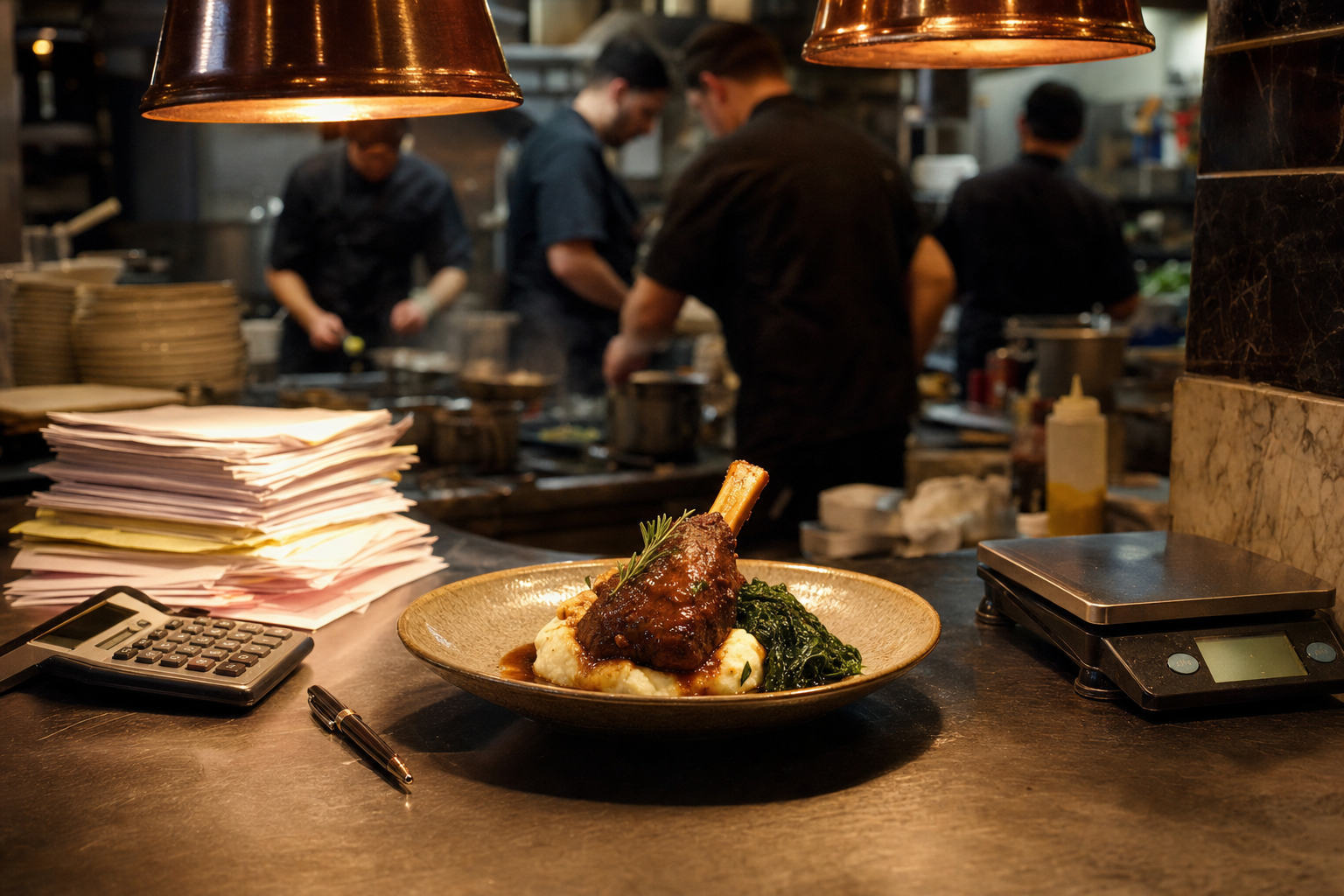
Every restaurant has one. The dish that sells out on a Friday, gets photographed at every table, and that the chef would fight you over.
And plenty of the time, it hasn't been costed since the day it went on the menu.
Supplier prices drift. Portions creep up because the chef likes a generous plate. The wine in the braise goes from "whatever's open" to a proper bottle. Two years later the bestseller is busy, popular, and barely paying for its own gas.
Grab the prompt here: Cost a Restaurant Dish and Find Its Right Menu Price
What the prompt does
You give it your ingredients, what you pay for them, how much goes on each plate, and how much gets trimmed or thrown away. It works out the true plate cost, tells you what the dish should sell for at your target food cost, and points at the 2 ingredients doing the most damage.
Then it gives you a verdict. Keep the price, raise it, or rework the dish.
It shows every step in a table, so you can check the maths yourself. That matters when you're about to put a price up.
A worked example: the £18 lamb shank
Say you run a 50-cover bistro. Your braised lamb shank with mash and greens is £18 on the menu, VAT included at 20%. Your target food cost is 30%. Here's roughly what you'd paste in:
- Lamb shank: £5.80 each, 1 per portion
- Red wine: £7.50 a bottle, 150ml per portion
- Stock: £0.40 per portion
- Potatoes: 250g per portion, 20% peel and trim
- Butter: 250g block for £2.40, 30g per portion
- Greens: £0.35 per portion
The prompt adds a default £0.30 for oil, garnish and seasoning (you can change it) and comes back with this:
| Line | Cost per plate |
|---|---|
| Lamb shank | £5.80 |
| Red wine (150ml) | £1.50 |
| Stock | £0.40 |
| Potatoes, after trim | £0.31 |
| Butter (30g) | £0.29 |
| Greens | £0.35 |
| Oil, garnish, seasoning | £0.30 |
| Total plate cost | £8.95 |
£18 with VAT is £15.00 to you. So the shank runs at a 60% food cost, double your target. Each plate makes £6.05 gross profit.
To hit 30%, the prompt says the shank would need to sell for about £35.80. It also tells you that's a silly number for a bistro, which is the right call.
So it moves to the fixes. The shank itself is most of the cost, and you're not changing that without changing the dish. The wine is the second biggest line. Switch to a £4 cooking red and the braise costs £0.80 instead of £1.50. Drop the butter in the mash from 30g to 20g and guests won't taste the difference.
New plate cost: £8.15. Price it at £24 and you take £20.00 after VAT, so each plate now makes £11.85. That's nearly double the profit on your busiest dish.
Food cost is still around 41%, above target. The prompt says so plainly and suggests you keep it as a signature dish with a lower margin, then make it back elsewhere on the menu. That's a decision you can make with your eyes open now.
Where the value is
Costing a dish by hand takes 30 to 45 minutes with a calculator and a stack of invoices. Most owners do it once, when the dish launches, then never again. This takes about 10 minutes, and most of that is finding the invoices.
The bigger win is the waste line. Lots of homemade costings skip trim and spoilage completely, which is exactly why they come out looking healthy. The prompt asks for it every time, and if you don't know, it uses 10% and tells you it did.
And you get a price rise you can explain to your team, with the working on one page.
How to use it
- Pull your last invoices for every ingredient in the dish. Use the most recent price you paid, since suppliers move prices more often than you think.
- Weigh a real portion as the kitchen plates it on a busy night. The recipe card says 180g. The plate might say 230g.
- Paste it all into the dish costing prompt with your current price, VAT rate and target food cost. Start with your 3 best sellers, since that's where a leak costs most.
Once the numbers are fixed, the menu copy has to earn the new price. The menu description prompt handles that part. And if Tuesday nights are dead, try the slow-night promotion prompt, which fills seats without discounting.
Cost your bestseller today: open the prompt.