
The Quote Said 8 Years. The Customer's Own Maths Said 14.
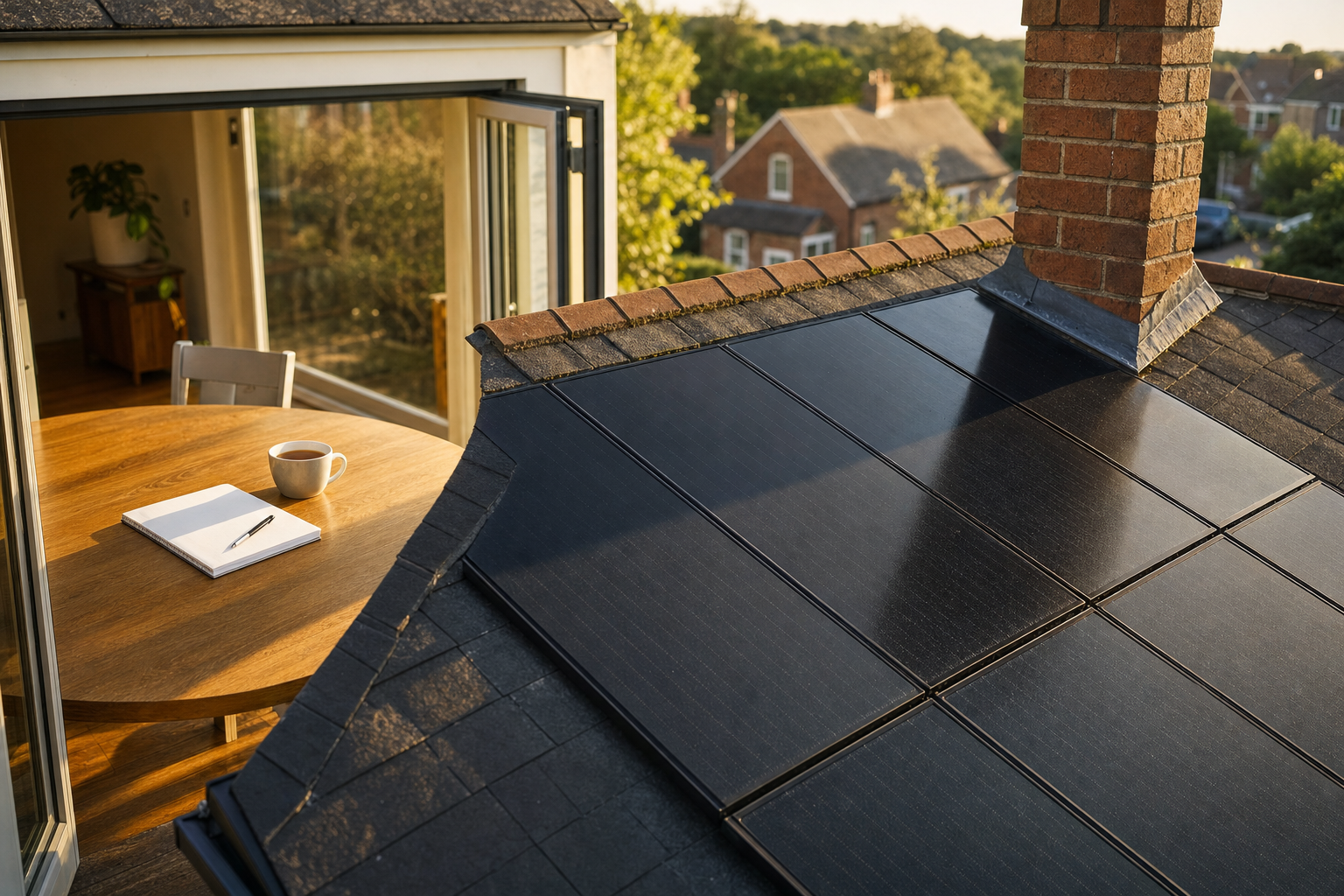
A homeowner gets three solar quotes. All three are a page of kit, a price, and one line near the bottom that says the system pays for itself in about 8 years.
None of them shows where 8 came from. So the homeowner does what anyone does with a number they can't check: they sit on it for 6 months, ask a neighbour, and buy nothing.
The 8 years was probably fine. It just assumed the household uses 70% of what the panels make, and this one is out of the house from 8am until 6pm. Run it on their real day and evening split and the figure drifts out past 14 years. The installer who shows that, and then shows what a battery or a shifted dishwasher does to it, is the one who gets the signature.
The prompt
Explain a Solar and Battery Quote, Payback Maths Included takes the system design you already produced and writes the explanation layer around it. You paste in the spec, the predicted generation, the price breakdown, the household's annual usage with its day and evening split, the import and export rates, and the warranty terms. It gives you back the quote a non technical buyer can follow.
A worked example
Say the inputs are: 12 panels at 440W, 5.2kW hybrid inverter, 5kWh battery, south west roof with afternoon shade from a chimney. Predicted 4,100kWh a year. Price £8,900 including scaffolding and VAT. Household uses 3,600kWh, roughly 35% during daylight. Import 24p, export 15p.
The output opens with 5 sentences of plain description, then a year one money table that does the arithmetic in front of you:
| Line | Figure | Working |
|---|---|---|
| Generation used at home | 1,435kWh | 35% of 4,100 |
| Exported | 2,665kWh | 4,100 minus 1,435 |
| Bill saving | £344 | 1,435 x 24p |
| Export income | £400 | 2,665 x 15p |
| Total year one benefit | £744 | 344 + 400 |
Simple payback: 12 years. Then a second figure at 5% annual energy inflation, which pulls it under 10. Then the honest part, the section most quotes leave out: afternoon shading on that chimney, a quiet summer, export tariff changes, battery degradation at roughly 2% a year.
And a self consumption note. At 35% daytime use, the battery is doing most of the work. Get that household to 55% by moving the washing machine and the immersion heater onto a timer and the payback moves years, with no extra kit.
Where the value sits
Two places. The first is speed: this is 20 minutes of writing per quote that an installer doing 15 quotes a week does not have, which is why the payback line stays a single unexplained number.
The second is trust, and it closes deals. A buyer who can see the arithmetic can argue with one assumption instead of rejecting the whole page. "I'm home more than that" is a conversation that ends in a sale. Six months of silence is a lost one.
It also protects you 18 months later. When a customer rings in a wet July asking why output is down, the quote already told them which summer this was modelled on.
How to use it
- Paste your real design output and the price breakdown. Don't round the price up to a marketing number, the arithmetic has to tie out.
- Ask the customer for their real day and evening usage split. An average postcode figure is what produces the wrong payback in the first place, and a smart meter export or one honest question about working hours settles it.
- Keep the caveats section in. Cutting it is tempting and it is the part that stops a complaint in year 2.
Same pattern sits behind the other 3 energy prompts published today: a costed retrofit action plan, a business energy bill explained before renewal, and the handover pack the customer keeps after the install.
Grab the prompt here: Explain a Solar and Battery Quote, Payback Maths Included.