
The Shoot Cost Them £450. The Billboard Cost Them Nothing.
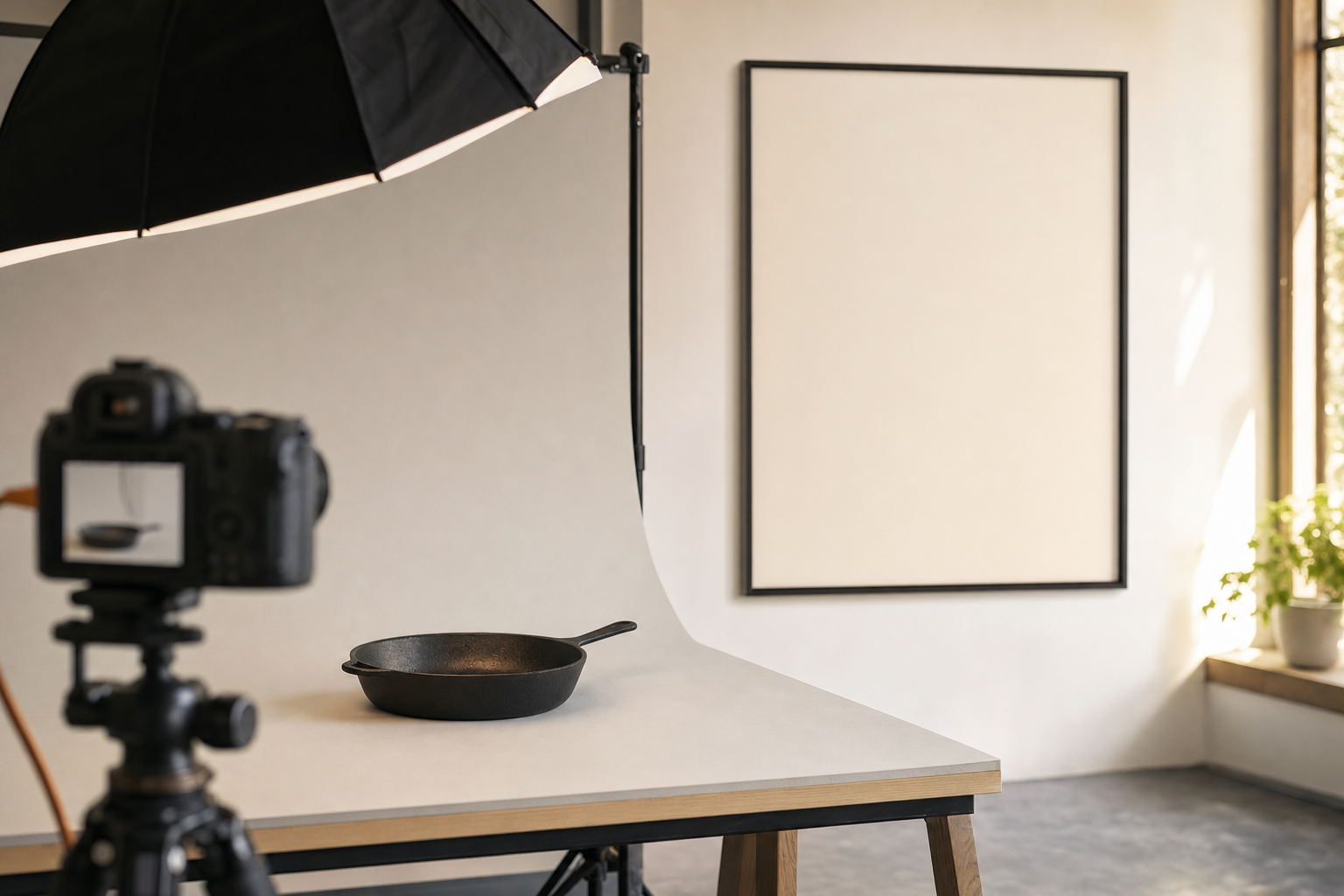
A friend of mine shoots product work for small brands. Last year she quoted £450 for a half day in a studio, 15 edited images, delivered in a week. The client paid on time and said lovely things.
Eight months later she walked past a bus stop in Leeds and saw her own photo of a frying pan, two metres tall, next to a national supermarket logo.
She got paid for the day. The brand got a year of advertising. Nobody did anything dishonest. The quote just never mentioned where the pictures were allowed to go.
That gap closes with one conversation, and it has to happen before the shoot. So we wrote a prompt for it: Explain Image Licensing to a Client Without Legal Jargon.
What it does
You give it the job and the usage. Who the client is, what the images are for, where they will appear, for how long, which countries, whether they want exclusivity, your creative fee, and the usage fee you have in mind.
It gives you back five things: a plain explanation of why there are two numbers on the quote, a licence summary box, the exact wording to paste into a proposal, the same shoot priced three ways, and an answer to "can we just buy the copyright?"
A real example
Say you fill it in like this. Client is a kitchenware brand with six staff. Project is a spring range launch. Images will run on their website, paid social and one regional print insert, for 12 months, UK only, no exclusivity. Creative fee £450. Usage fee you are thinking £350.
The licence summary it builds looks like this:
| Term | What was agreed |
|---|---|
| Images | 15 edited files from the 12 March session |
| Where | Client website, paid social, one regional print insert |
| How long | 12 months from delivery |
| Territory | United Kingdom |
| Exclusive | No. Images may be licensed elsewhere after 12 months |
| Not included | Out of home, TV, packaging, resale, third party brands |
Then it prices the same frying pan three ways: local web only at the bottom, a paid social campaign in the middle, national print at the top, with one line each on why the step costs more. That table is the whole pitch. The client reads it and picks, instead of hearing a single number and deciding whether to argue with it.
The "not included" row is the one that would have saved my friend. Out of home is listed. A bus stop is out of home. If the brand wants it later, that is a phone call and an invoice.
Where the money actually is
Two numbers on a quote changes what you are selling. A day rate caps you at how many days you can stand up. A usage fee scales with how much the client gets out of the pictures, which is the part they are already budgeting for in their media spend.
It also kills the discount conversation. When someone pushes on price, you have somewhere to go that is not your own wage: narrow the territory, shorten the term, drop the print rights. The number comes down because the licence got smaller.
How to use it
- Fill in the usage fields from the client's own brief. If they cannot tell you where the images will run, that answer is itself the problem, and the pre-shoot questionnaire prompt drags it out of them.
- Paste the proposal wording straight into your quote, above the total. Both numbers visible, licence terms in full.
- Send the three-tier pricing table with it. Let them choose the scope.
Grab the prompt here: Explain Image Licensing to a Client Without Legal Jargon.
It pairs with two others we published the same day: Build Three Photography Packages Clients Can Pick From for the pricing side, and Deliver a Photo Gallery With an Email That Wins Referrals for the handover at the end.
One last thing. The prompt is a commercial explainer and it will tell you so. Get a solicitor in your own country to read your contract terms once, properly, and then reuse them forever.